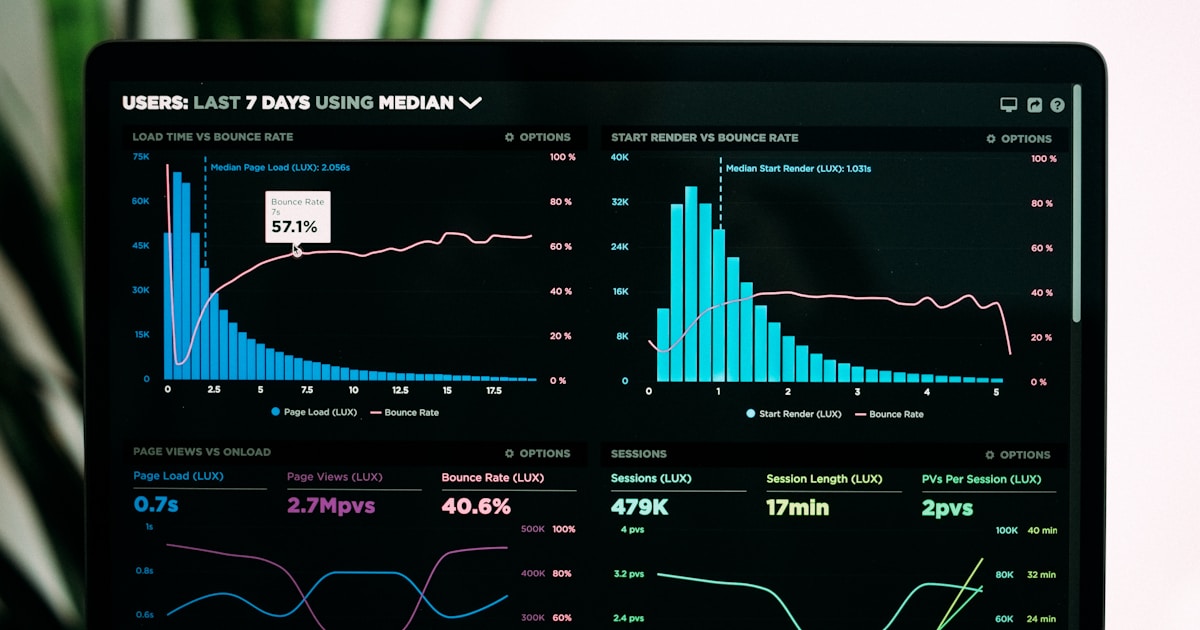
A software engineering intelligence (SEI) platform connects to the systems your engineering team already works in — the Git host, the deploy pipeline, the issue tracker — and turns that activity into measures of how delivery is going. How long a change takes to reach production, where it waits on the way, how often a release goes wrong, and where the team's time actually goes. The better ones also tell you what to do about it.
You will see the same kind of product called an engineering intelligence platform, engineering analytics, or, in Gartner's newer wording, a developer productivity insight platform. They describe the same shelf.
#What a software engineering intelligence platform does
Every SEI platform does three things, and they differ mostly in how far they get through the list.
It connects. The core sources are your Git host (pull requests, commits, reviews), your deployments, and your issue tracker (Jira or Linear). Some also read incident tools, calendars, or developer surveys. Nobody types data in: the point is that the numbers come from what the team already does.
It measures. Most platforms cover the same families of metric:
- Delivery — the DORA metrics: lead time, deployment frequency, change failure rate, recovery time and rework rate.
- Flow — cycle time, review time, pull request size, and where work sits idle between them.
- Allocation — how much effort goes to new work against keeping the lights on.
- Experience — how developers say the work feels, usually from a survey, often organised around the SPACE framework.
- AI adoption — increasingly, how much code is written with AI tools and whether it reaches production as safely as the rest.
It acts, or it does not. This is where platforms really diverge. Some stop at dashboards and leave the reading to you. Others send a weekly digest, flag the pull request that has been waiting three days for review, suggest the one change most likely to move a number, or put the same guidance in front of engineers in Slack and coding agents in their editor. A dashboard that nobody opens after the first month is the most common way these purchases fail.
#Where the term comes from
Gartner named the category in its 2024 Market Guide for Software Engineering Intelligence Platforms, which put the share of software engineering organisations using one at 5% in 2024 and forecast 50% by 2027. Its May 2025 market guide describes the same space as developer productivity insight platforms.
The products are older than the name. Git analytics tools have been around since the mid-2010s, and the State of DevOps research that gave the category its most widely used metrics, DORA's, began in 2014. What the label added was a shelf for buyers to look along, and a reason for vendors who had called themselves analytics, management or productivity tools to start calling themselves the same thing.
#What an SEI platform cannot tell you
Who your best engineer is. Delivery metrics describe a system — pipelines, review habits, test coverage, on-call — not a person. Rank people on them and they will move the number instead of the delivery: smaller pull requests that say less, fewer deploys that each carry more risk. A platform that leads with individual leaderboards is selling a different product.
Why something is slow. The data shows where work waits: in review, in a queue for a deploy window, on a flaky test suite. It does not show why, and the why is usually a conversation. The best use of the numbers is to choose which conversation to have.
Anything it is not connected to. Design work, pairing, unblocking a colleague, the incident that was prevented — none of it leaves a trace in a pull request. And the delivery metrics are only as good as your deploy data. If nothing in your pipeline reports a deployment, there is no deployment frequency to measure, whatever the platform.
#Do you need one?
Probably yes, if:
- Someone has asked whether the team is getting faster, and the honest answer was a guess.
- You have more than one team, or enough engineers that nobody reviews everyone's code any more.
- You are adopting AI coding tools and want to know whether the extra code reaches production, or just piles up in review.
- You suspect a bottleneck — review, testing, releases — but cannot point to it.
Probably not yet, if:
- You are three or four engineers who review each other's work every day. You already know where things wait.
- Your deploys are not recorded anywhere. Start by making the pipeline report them; you will get more from that than from any platform.
- You want a number to settle a performance review. No platform will do that well, and the good ones will refuse.
Before buying anything, you can get a long way for free: your Git host's own insights, a spreadsheet of last month's deploys, and the DORA quick check. If those raise more questions than they answer, that is the moment a platform starts to pay for itself.
#How to choose one
The feature lists look similar. These questions separate them faster.
Does it support your Git host? Coverage differs more than you would expect. Coderbuds supports GitHub and Bitbucket; several others support GitLab, and fewer support Azure DevOps. Check this first, because it rules tools out entirely.
Does it tell you what to fix, or only draw the chart? Ask to see what a team lead receives on a Monday morning, not the dashboard.
Where does it reach people? A tool that only lives in a browser tab is read by whoever remembers to open it. One that reaches Slack, or the coding agent in the editor, gets read by the people doing the work.
Is the price published? Published per-developer prices run from about $20 to $60 a month, some with seat minimums. Coderbuds is $29 per active developer per month, with no minimum. Enterprise platforms usually quote, often with an onboarding fee.
How long until the first useful number? Some platforms are live in minutes from a Git connection; others need a data warehouse, a platform team and a services contract. Neither is wrong, but they are not for the same buyer.
For a side-by-side of the platforms that come up most, see the best engineering metrics tools compared, or the alternatives guides for Jellyfish, LinearB, Swarmia and DX.
#Frequently asked questions
#What does SEI stand for?
Software engineering intelligence. It is Gartner's name for platforms that measure software delivery from the data in engineering tools: Git, deploys and issue trackers.
#Is an SEI platform the same as an internal developer portal?
No, though they are often bought by the same people. An internal developer portal, such as Backstage, is a catalogue of services and a front door to the tools a developer uses. An SEI platform measures how work moves through those tools. Some portals now show delivery metrics, and some SEI platforms now show service ownership, so the edges are blurring.
#Are SEI platforms used to monitor individual developers?
They can be, which is the most common reason engineers distrust them. The research behind the metrics most platforms use, DORA's, is about teams and systems, and using it to rank individuals reliably makes the numbers worse without making the delivery better. Ask any vendor how its product shows individual data, and to whom.
#How much does a software engineering intelligence platform cost?
Published prices run from about $20 to $60 per developer per month, and some vendors set a minimum number of seats. Larger platforms usually quote a price after a sales call. Coderbuds is $29 per active developer per month, counting only developers who were active in the last 30 days.
#What is the difference between SEI and DORA metrics?
DORA metrics are five measures of software delivery performance. An SEI platform is a product that measures them, usually alongside flow, allocation and developer experience measures. You can track DORA metrics without a platform; a platform saves you from doing it by hand.
#Related Reading
- What Are DORA Metrics? - The five delivery measures most platforms start from
- SPACE Framework vs DORA Metrics - What DORA leaves out
- Best Engineering Metrics Tools Compared - Five platforms side by side
- Engineering Metrics Maturity Model - What to measure at your stage
- KTLO Meaning - What keeping the lights on actually costs